How AI-Powered Call Routing Helps Veterinary Clinics Reduce Missed Emergencies
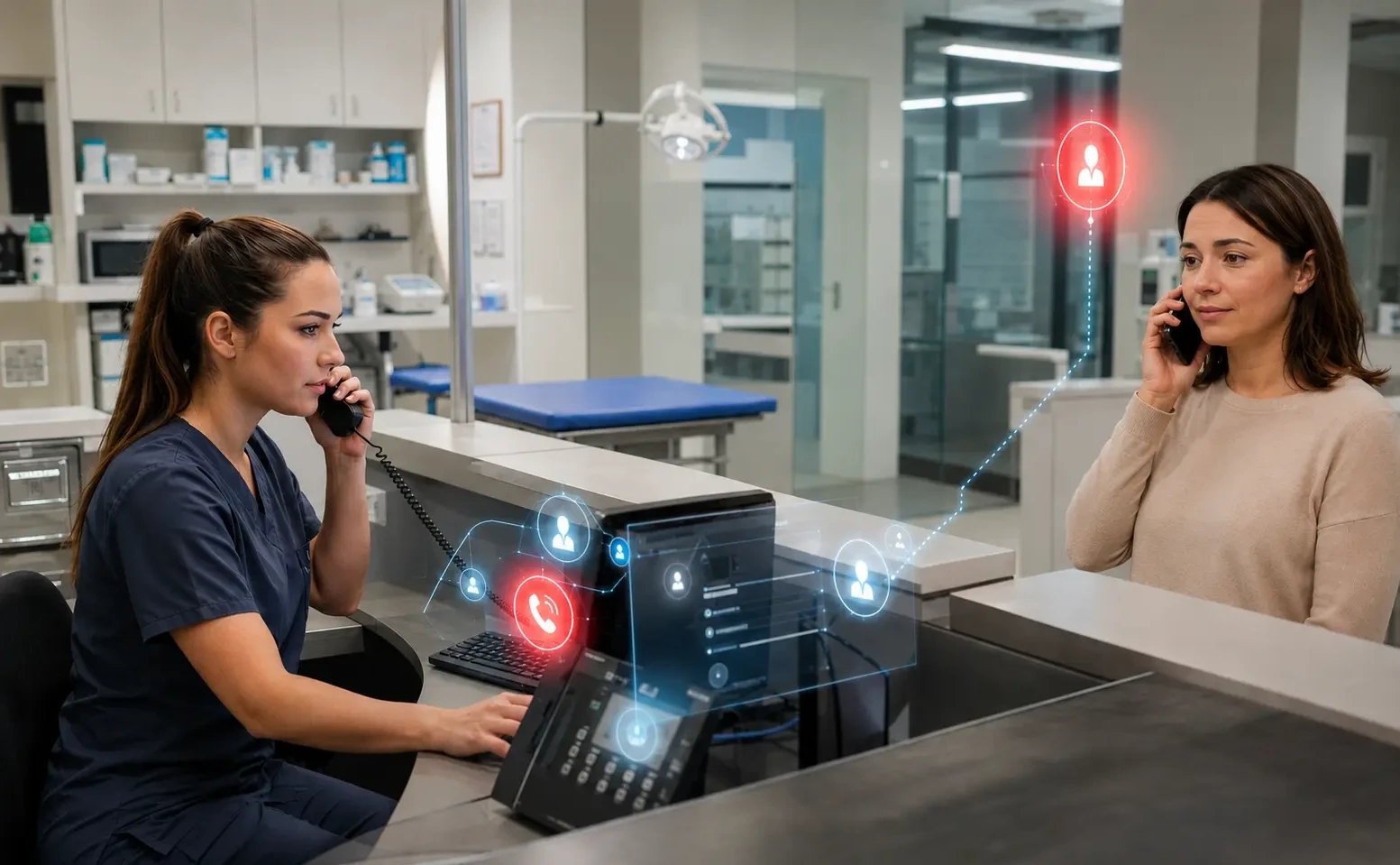
Veterinary emergencies are unpredictable, emotional, and time-sensitive. Whether a dog has suddenly collapsed, a cat has ingested something toxic, or a pet is experiencing breathing difficulties, pet owners expect immediate guidance and rapid support from their veterinary clinic. In these critical moments, communication can directly affect patient outcomes.
Unfortunately, many veterinary clinics still rely on traditional phone systems that were never designed for the fast-paced demands of modern veterinary medicine. Busy reception teams, high call volumes, after-hours emergencies, and manual call handling can create communication bottlenecks that lead to missed opportunities and delayed responses.
For veterinary practices, a missed emergency call is not just an operational problem, it can impact patient care, clinic reputation, client trust, and long-term revenue growth.
This is why more clinics are adopting AI-powered call routing systems.
Modern AI phone solutions are transforming the way veterinary practices manage communication by helping clinics prioritize urgent calls, improve response times, reduce front-desk overload, and create a better experience for pet owners. Instead of manually managing every incoming call, clinics can now use intelligent automation to route calls quickly and efficiently based on urgency, intent, and staff availability.
The Communication Challenges Facing Modern Veterinary Clinics
Veterinary clinics today handle far more communication than they did even a few years ago. Pet owners now expect fast responses, convenient communication, digital accessibility, and immediate updates. At the same time, clinics are managing larger patient volumes, staffing shortages, and increasing administrative responsibilities.
Front-desk teams are often expected to:
- Answer phone calls
- Manage appointment scheduling
- Process prescription refill requests
- Handle payment questions
- Coordinate emergency visits
- Respond to emails and messages
- Assist in-clinic clients simultaneously
During peak hours, this creates enormous pressure on veterinary staff. Even highly experienced receptionists can struggle to prioritize calls effectively when everything feels urgent.
As a result, clinics commonly experience:
- Long hold times
- Missed calls
- Delayed emergency responses
- Poor call transfers
- Inconsistent communication
- Frustrated pet owners
When emergency communication breaks down, clinics risk losing patient trust and urgent appointment opportunities.
What Is AI-Powered Call Routing?
AI-powered call routing is a modern communication technology that uses artificial intelligence to automatically analyze incoming calls and direct them appropriately.
Unlike traditional phone systems that depend entirely on manual transfers or generic phone menus, AI systems can understand the context and urgency of a call.
These systems can:
- Detect emergency-related language
- Prioritize urgent calls
- Route calls to the appropriate department
- Provide after-hours instructions
- Reduce unnecessary hold times
- Automate repetitive communication tasks
For veterinary clinics, this creates a more organized and responsive communication experience.
For example, if a caller says:
- “My dog was hit by a car”
- “My cat is having trouble breathing”
- “My puppy ate chocolate”
- “My pet is bleeding”
The AI system can immediately identify the situation as urgent and route the call directly to emergency-trained staff or an available veterinarian.
This rapid prioritization helps reduce dangerous delays.
Faster Emergency Response Times
One of the biggest advantages of AI-powered veterinary phone systems is the ability to improve emergency response speed.
In traditional clinics, all calls may enter the same queue regardless of urgency. A life-threatening emergency can unintentionally sit behind routine appointment requests or billing questions.
AI-powered systems eliminate this problem by prioritizing calls intelligently.
Emergency-related calls can:
- Jump to the front of the queue
- Trigger alerts for veterinary staff
- Route directly to emergency personnel
- Receive automated emergency instructions
This creates faster communication during critical situations and helps clinics respond more efficiently when time matters most.
Improved response times can lead to:
- Better patient outcomes
- Reduced stress for pet owners
- Increased emergency appointment conversions
- Stronger client trust
In emergency veterinary medicine, communication speed matters just as much as medical expertise.
Reducing Front-Desk Stress and Burnout
Veterinary reception teams work in extremely demanding environments. Constant phone interruptions, emotional conversations, and multitasking pressures can quickly lead to stress and burnout.
AI call routing systems help reduce this administrative burden by automating repetitive communication tasks.
Instead of manually sorting every incoming inquiry, the system can automatically manage:
- Appointment scheduling requests
- Prescription refill inquiries
- General service questions
- Billing calls
- Emergency prioritization
- After-hours instructions
This allows front-desk staff to focus more on client interactions and patient support rather than constantly managing overwhelmed phone lines.
Reducing communication overload also improves:
- Workplace efficiency
- Team morale
- Staff retention
- Operational consistency
When veterinary teams are less overwhelmed, they can provide higher-quality service to pet owners.
Improving the Client Experience
Pet owners contacting a veterinary clinic during an emergency are often scared, emotional, and anxious. Long wait times or unanswered calls can increase panic and frustration.
AI-powered phone systems help improve the client experience by providing:
- Faster call handling
- Reduced hold times
- Better call organization
- Clearer communication pathways
- Consistent after-hours support
Clients feel more confident when they know their concerns are being handled quickly and professionally.
Positive communication experiences often lead to:
- Stronger client loyalty
- Better online reviews
- Increased referrals
- Higher retention rates
In today’s competitive veterinary market, communication quality has become a major factor in clinic growth.
Supporting After-Hours Emergency Care
Many veterinary emergencies happen outside normal business hours. Traditional voicemail systems often fail to provide enough guidance during urgent situations.
AI-powered systems can support after-hours communication by:
- Identifying emergency-related calls
- Providing immediate instructions
- Redirecting clients to emergency hospitals
- Sending alerts to on-call staff
- Sharing emergency care information
This helps ensure pet owners receive timely support even when the clinic is closed.
Better after-hours communication also helps clinics:
- Improve client trust
- Reduce confusion
- Prevent unnecessary delays in care
- Strengthen emergency preparedness
Increasing Appointment Conversions and Revenue
Missed calls often translate directly into lost revenue opportunities.
Every unanswered emergency inquiry may represent:
- Lost urgent care visits
- Lost diagnostics
- Lost treatment plans
- Lost surgeries
- Lost long-term clients
AI-powered communication systems help clinics capture more appointment opportunities by improving accessibility and reducing communication failures.
Clinics that respond faster and communicate more effectively often see improvements in:
- Emergency visit bookings
- Client retention
- Treatment acceptance
- Revenue consistency
Communication technology is no longer just an operational tool, it is a growth strategy.
Better Workflow Coordination Across Teams
AI-powered veterinary phone systems can integrate with:
- Scheduling platforms
- Practice management software
- VoIP communication systems
- Reminder automation tools
- Staff availability systems
This creates better coordination between:
- Receptionists
- Technicians
- Veterinarians
- Emergency teams
For example:
- Emergency calls can instantly notify available staff
- Appointment requests can sync automatically
- Follow-up tasks can be assigned immediately
- Client communication histories can be tracked efficiently
This improves workflow organization while reducing communication delays and human error.
Valuable Analytics and Performance Insights
Modern AI communication systems also provide valuable reporting and analytics.
Clinics can monitor:
- Missed call rates
- Emergency call volume
- Peak communication hours
- Average hold times
- Staff response performance
- Appointment conversion trends
These insights help clinics identify operational gaps and improve staffing strategies.
For example, if analytics show increased emergency calls during evenings or weekends, clinics can adjust scheduling accordingly.
Data-driven communication strategies help practices become more proactive and efficient.
AI Supports Human Care - It Does Not Replace It
Some veterinary teams worry that automation may reduce personal interaction. In reality, AI systems are designed to support human teams, not replace them.
Veterinary medicine will always depend on compassion, empathy, and clinical expertise. AI simply helps clinics handle communication more efficiently.
Instead of replacing reception staff, AI helps them:
- Reduce repetitive tasks
- Manage high call volumes
- Prioritize emergencies
- Improve organization
- Focus more on patient care
The goal is better communication, not less human connection.
The Future of Veterinary Communication
As veterinary practices continue evolving, communication systems must evolve as well.
Clinics that invest in AI-powered communication technology can:
- Reduce missed emergencies
- Improve operational efficiency
- Enhance client satisfaction
- Support staff productivity
- Increase appointment conversions
- Strengthen long-term growth
In modern veterinary medicine, communication is directly connected to patient care, client trust, and clinic success.
AI-powered call routing is helping veterinary clinics create faster, smarter, and more reliable communication experiences that support both pets and the people caring for them.