How Proactive Petcare in Veterinary Clinics is Boosted Through Client Portal Integration
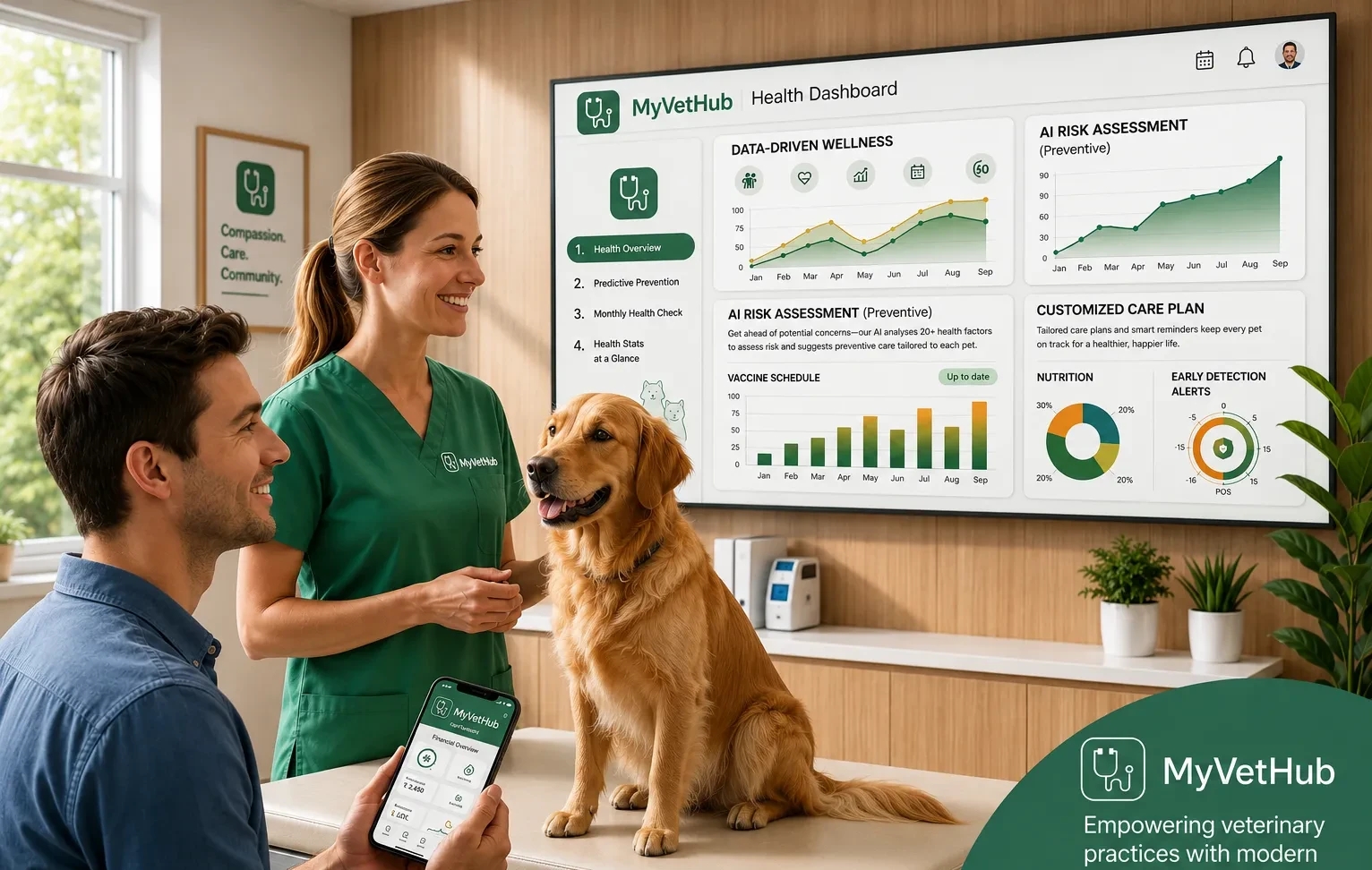
Preventive care has always been at the heart of quality veterinary medicine. Routine wellness exams, vaccinations, dental care, and early diagnostics all play a crucial role in helping pets live longer, healthier lives.
Yet for many veterinary clinics, delivering this kind of proactive care consistently is becoming increasingly difficult. Staffing shortages, rising client expectations, and fragmented communication systems often force teams into a reactive mode which results in responding to issues rather than preventing them.
This is where client portal integration is starting to make a measurable difference.
Why Proactive Care Matters More Today
Pet ownership across North America has grown steadily over the past decade, with a majority of households now owning at least one pet. Alongside this growth, pet owners are becoming more informed, more digitally inclined, and more invested in preventive healthcare.
At the same time, veterinary teams are dealing with:
- Increased appointment demand
- Staff burnout and limited resources
- Higher communication volume
- A growing number of aging pets with chronic conditions
- Expectations for faster, more convenient service
In this environment, relying on traditional, call-based communication is no longer enough. Preventive care depends on reaching pet owners at the right time, with the right information before health issues escalate.
This requires systems designed for proactive engagement.
The Role of Client Portals in Modern Veterinary Care
Client portals act as a centralized digital touchpoint between clinics and pet owners.
When integrated with practice management systems, they allow clients to access records, schedule appointments, receive reminders, and communicate with the clinic without relying entirely on phone calls or manual follow-ups.
More importantly, they shift the clinic’s approach from reactive to proactive.
1. Automated Reminders Improve Preventive Compliance
Missed or delayed care remains one of the biggest challenges in veterinary medicine. Pets often fall behind on:
- Annual wellness exams
- Core vaccinations
- Parasite prevention
- Dental checkups
- Senior screenings
Client portals address this by sending automated reminders via email, SMS, or app notifications. Instead of relying on memory or manual tracking, pet owners receive timely prompts based on their pet’s health schedule.
This simple shift can significantly improve compliance and ensure preventive care happens on time.
2. Easy Access to Medical Records Builds Engagement
Pet owners increasingly expect digital access to their pet’s health information. When they can quickly view:
- Vaccination history
- Lab results
- Medications
- Visit summaries
- Care instructions
The pet owners become more involved in their pet’s healthcare decisions. Engaged clients are more likely to follow through on recommendations, ask relevant questions, and stay consistent with preventive care.
Transparency builds trust, and trust leads to better outcomes.
3. Online Booking Reduces Friction
Scheduling is often an overlooked barrier to preventive care. Long wait times on calls, limited office hours, or missed callbacks can discourage pet owners from booking routine visits.
Client portals simplify this process by enabling online appointment requests or booking. Whether it’s a wellness exam, vaccination, or follow-up visit, owners can schedule at their convenience. Reducing friction in scheduling directly increases the likelihood of appointments being booked and kept.
4. Personalized Communication Drives Action
Generic reminders have their place, but personalized communication is far more effective.
Client portals can use patient data such as age, breed, medical history, and lifestyle to deliver targeted messages. For example:
- A reminder for a puppy’s vaccine booster
- A prompt for senior wellness blood work
- Seasonal parasite prevention alerts
When communication feels relevant and timely, pet owners are more likely to act on it. This makes preventive care more consistent and effective.
5. Secure Messaging Improves Follow-Ups
It’s common for clients to forget details shared during an appointment. This can lead to confusion around medications, recovery steps, or follow-up care.
With secure messaging through a client portal, pet owners can revisit instructions anytime and reach out with questions when needed.
This reduces misunderstandings, improves adherence to treatment plans, and minimizes unnecessary follow-up calls, benefiting both the client and the clinic.
6. Reducing Administrative Burden on Staff
Front desk teams in many clinics spend a significant portion of their time handling repetitive queries like appointment requests, record sharing, prescription refills, and basic follow-ups.
Client portals shift much of this workload to automated service. Pet owners can access information and complete simple tasks on their own, without needing to call the clinic.
This allows staff to focus on more critical responsibilities, improving both operational efficiency and workplace satisfaction.
7. Supporting Long-Term and Chronic Care
Preventive care extends beyond routine checkups, especially for senior pets or those with chronic conditions.
Ongoing management often requires:
- Regular monitoring
- Medication adjustments
- Follow-up visits
- Lifestyle and diet tracking
Client portals make it easier to maintain consistent communication over time. Scheduled reminders, educational content, and easy follow-ups help ensure continuity of care.
It not only improves patient outcomes but also strengthens long-term client relationships.
Measuring the Impact
For veterinary clinics, the value of client portals goes beyond convenience. Their impact can be measured through:
- Increased wellness exam bookings
- Higher vaccination compliance
- Reduced missed appointments
- Lower call volumes
- Improved client retention
Even small improvements in these areas can lead to meaningful gains in both patient health and clinic performance.
Final Thoughts
Veterinary care is evolving alongside changing client expectations. Pet owners today expect convenience, transparency, and timely communication as much as they do in other areas of healthcare.
Client portal integration helps clinics meet these expectations while also strengthening preventive care delivery. By making communication more accessible and consistent, portals enable clinics to stay connected with clients between visits and not just during them.
For veterinary hospitals and clinics looking to improve efficiency, enhance client experience, and deliver better long-term outcomes, adopting a client portal is no longer just an upgrade, it’s becoming a necessity.