
The Future of Preventive Veterinary Care: Using Automation to Increase Wellness Compliance and Client Loyalty
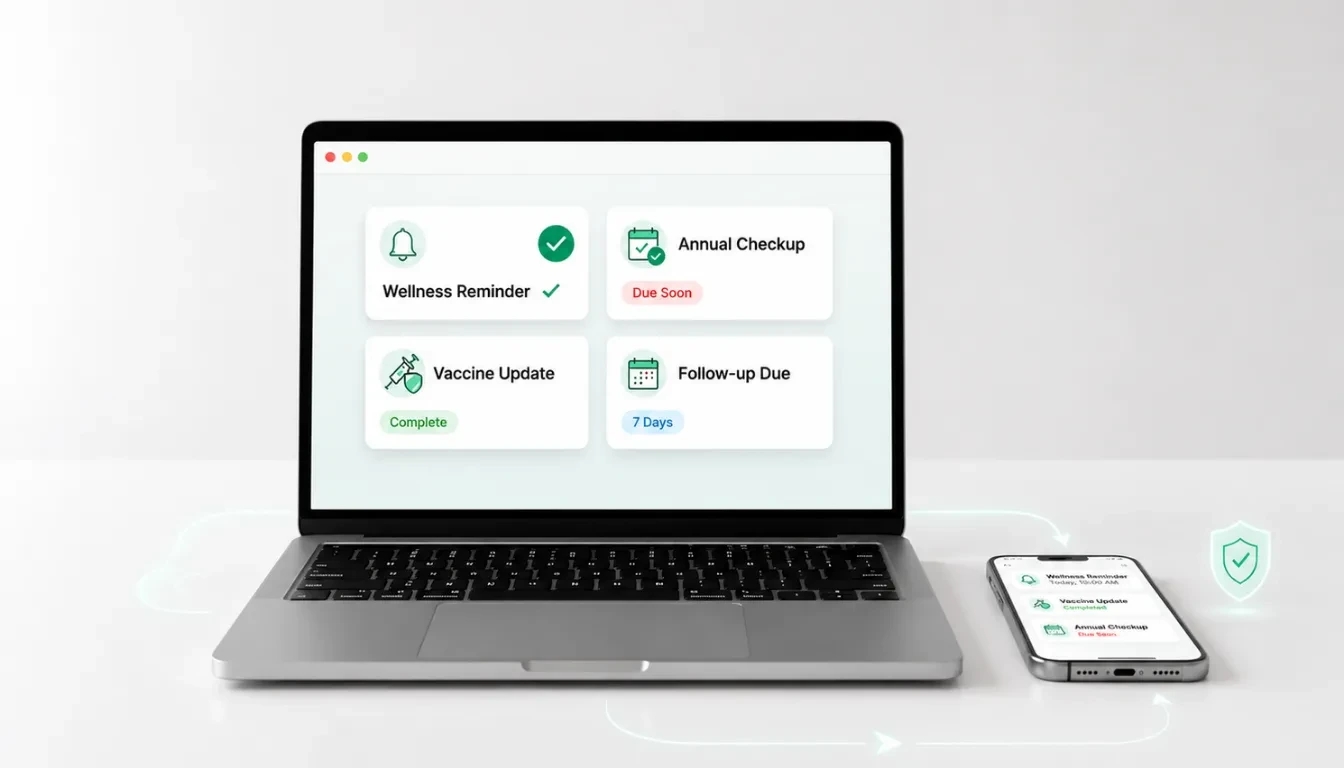
Preventive care has always been the foundation of quality veterinary medicine. Routine wellness exams, vaccinations, parasite prevention, dental care, nutritional guidance, and early disease detection all contribute to healthier pets and better long-term outcomes. However, even the most dedicated veterinary teams face a common challenge, keeping pet owners engaged and ensuring they return for recommended preventive services.
Busy schedules, forgotten appointments, changing contact information, and inconsistent communication can all reduce wellness compliance. As a result, pets may miss important preventive care, clinics experience lower appointment utilization, and opportunities to build stronger client relationships are lost.
This is where Veterinary Preventive Care Automation is transforming the future of veterinary medicine. Rather than relying on manual reminder calls, spreadsheets, or disconnected communication tools, modern veterinary practices are embracing intelligent automation to improve client engagement, streamline workflows, and encourage lifelong preventive healthcare.
Automation is not about replacing personal service. Instead, it empowers veterinary teams to deliver timely, consistent, and personalized communication that keeps pets healthier while improving operational efficiency.
Why Preventive Care Is More Important Than Ever
Preventive medicine helps identify health concerns before they become serious medical conditions. Regular wellness visits allow veterinarians to monitor growth, detect subtle changes, update vaccinations, recommend diagnostic testing, and educate pet owners on proper nutrition and lifestyle management.
For pets, preventive care often means fewer emergencies, earlier diagnosis of chronic conditions, and improved quality of life. For veterinary practices, it creates recurring appointments, strengthens client trust, and supports sustainable practice growth.
Despite understanding these benefits, many pet owners unintentionally postpone routine care. Life becomes busy, reminders are overlooked, or they simply forget when services are due.
Without a structured communication strategy, these missed opportunities become increasingly common.
The Challenges of Manual Preventive Care Management
Many veterinary clinics still rely on manual processes to remind clients about upcoming wellness visits and preventive services. Receptionists may spend hours each week making reminder calls, sending individual emails, or checking patient records to identify overdue appointments.
While these efforts demonstrate excellent client care, they also consume valuable administrative time and increase the likelihood of human error. Missed reminders, delayed follow-ups, or outdated contact information can result in pets falling behind on important healthcare.
Manual systems also make it difficult to personalize communication. Every pet has unique healthcare needs based on age, breed, lifestyle, medical history, and vaccination status.
Managing these variables without automation becomes increasingly challenging as practices grow.
How Veterinary Preventive Care Automation Works
A modern Veterinary Preventive Care Automation system connects appointment schedules, patient records, communication tools, and workflow automation into one centralized platform.
Instead of waiting for staff to manually identify overdue patients, the system automatically recognizes when wellness exams, vaccinations, parasite prevention, dental cleanings, or diagnostic screenings are approaching.
Personalized reminders are then delivered through the client's preferred communication channel, whether by email, text message, or other supported methods.
Automation also tracks responses, allowing staff to focus on clients who need additional assistance rather than spending time contacting every client individually.
Personalized Communication Improves Compliance
Pet owners respond more positively when communication feels relevant to their individual pets. Generic reminders often receive little attention, while personalized messages encourage action.
Automation allows practices to tailor reminders based on:
- Pet age
- Species
- Breed
- Lifestyle
- Vaccination history
- Wellness plan participation
- Chronic health conditions
- Previous appointment history
For example, a puppy beginning its vaccination schedule requires different reminders than a senior cat managing kidney disease. Personalized communication reinforces the importance of preventive care and demonstrates that the practice understands each patient's unique healthcare needs.
Automated Appointment Reminders Reduce No-Shows
Missed appointments affect both patient care and practice productivity. Every unused appointment slot represents lost time that could have been allocated to another patient.
Automated reminder sequences help reduce no-shows by notifying clients well in advance of scheduled visits. Multiple reminders delivered at appropriate intervals encourage confirmation, rescheduling when necessary, and improved attendance.
This proactive approach keeps appointment schedules fuller while making it easier for clients to manage their commitments.
Wellness Plans Become Easier to Manage
Many veterinary practices offer wellness plans that bundle preventive services into affordable monthly payments. These plans encourage regular healthcare while providing predictable revenue for the clinic.
However, wellness plans require ongoing communication. Clients need reminders about included services, upcoming exams, vaccinations, laboratory testing, and preventive treatments.
Automation simplifies this process by delivering timely notifications throughout the year, helping clients maximize the value of their wellness plans while maintaining consistent preventive care for their pets.
Strengthening Client Loyalty Through Consistent Communication
Preventive care extends beyond annual examinations. Clients appreciate veterinary practices that continue supporting them between visits with helpful guidance and educational resources.
Automation enables practices to share seasonal health tips, parasite prevention reminders, nutritional advice, dental care recommendations, and wellness education throughout the year.
Rather than only hearing from the clinic when an appointment is due, pet owners experience ongoing engagement that strengthens trust and reinforces the practice's commitment to their pet's long-term health.
Reducing Administrative Workload
Veterinary teams often balance demanding clinical responsibilities with significant administrative duties. Routine reminder calls, appointment confirmations, follow-up emails, and wellness outreach consume valuable staff time.
Automation handles many of these repetitive communication tasks consistently and accurately. Staff can then devote more attention to patient care, client education, and in-clinic service instead of spending hours on manual outreach.
This improved efficiency benefits both employees and clients while supporting a healthier workplace environment.