
8 Reasons Why Clinics Need Better Veterinary Payment Solutions
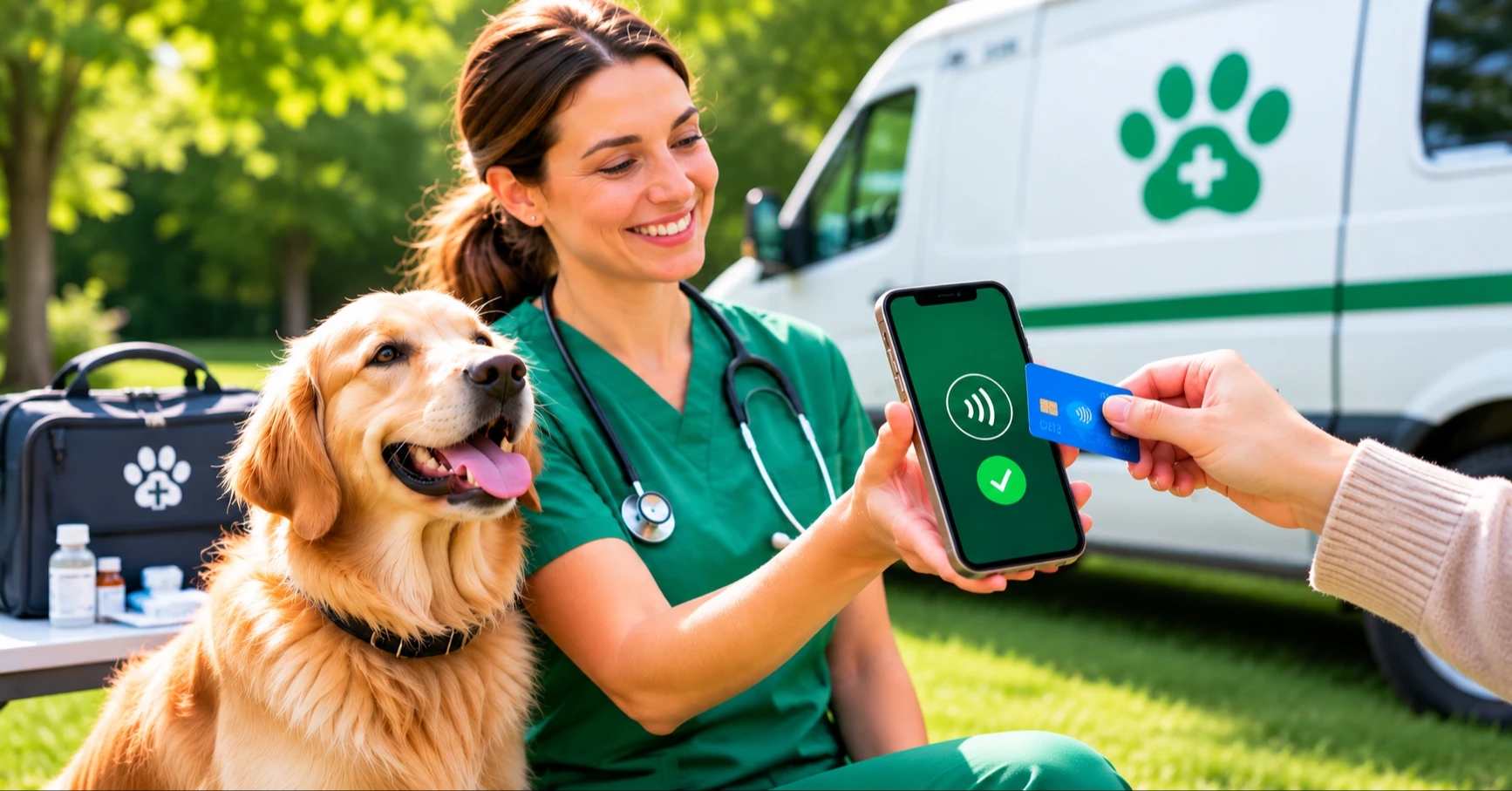
A pet owner brings in their dog after two days of vomiting. The veterinarian recommends bloodwork, imaging, and possibly hospitalization. The owner wants to do everything possible to help, but when the treatment estimate arrives, their expression changes.
“Is there any way we can do just the bloodwork today?”
It's a conversation veterinary teams know all too well.
The problem isn't always that pet owners don't value the recommended care. Sometimes, they simply don't have enough money available at that moment. For clinics, these situations create difficult decisions, delay treatment, and put additional pressure on staff.
The numbers tell a similar story. According to a 2026 Gallup survey, 94% of veterinarians say clients' financial circumstances often or sometimes prevent them from providing recommended treatment.
That's why the way a veterinary practice handles payments matters more than many clinic owners realize.
A reliable veterinary payment system does more than process transactions. It makes costs easier to communicate, gives clients convenient ways to pay, reduces administrative work, and creates a smoother experience from the exam room to checkout.
Here are eight reasons why upgrading your veterinary payment solutions is worth serious consideration.
Better Payment Options Can Increase Treatment Acceptance
One of the hardest parts of running a veterinary practice is watching a pet owner decline necessary care because of financial concerns.
Imagine recommending a $1,200 dental procedure for a dog with significant periodontal disease. The owner understands the benefits but wasn't expecting such a large expense. Without an affordable way to move forward, they may postpone treatment or choose a more limited option.
This is where payment flexibility can make a difference.
Payment systems that increase treatment acceptance in veterinary practices help clinics remove unnecessary obstacles between a treatment recommendation and the client's ability to proceed.
Depending on the clinic's setup, these solutions may include credit and debit card payments, digital wallets, third-party financing, or structured installment options.
A 2025 study published in Frontiers in Veterinary Science examined alternative payment options across 16 veterinary clinics. Among clients who used the financing option, 37.7% reported they would have been very likely to provide less care at that clinic without it.
The lesson is straightforward: clients sometimes need a different way to manage the cost, not a different medical recommendation.
However, there's an important distinction. Standard payment processing makes transactions easier, while financing allows eligible clients to spread costs over time. Clinics seeking to improve treatment acceptance should consider how both fit into their payment strategy.
When financial conversations happen early and clients understand their options, veterinary teams have a better chance of helping families move forward with appropriate care.
Faster Checkout Means Less Stress for Everyone
Imagine your reception area at 5:30 p.m.
One client is waiting to pay for vaccinations. Another needs to collect medication. A third is trying to settle an emergency treatment bill while the receptionist answers a ringing phone.
Now add a slow card terminal, manual invoice entry, and a payment that needs to be processed twice.
It's easy to see how checkout becomes a bottleneck.
An efficient veterinary POS system helps simplify this final step in the client journey.
Instead of switching between multiple devices or manually calculating every charge, staff can use a more organized checkout process to handle services, medications, and payments.
Features worth looking for include:
- Quick transaction processing for everyday veterinary services
- Contactless payments using supported cards and digital wallets
- Easy entry of custom service charges
- Clear payment confirmation
- Digital receipts that clients can keep for their records
Mobile payment capabilities can be especially valuable. A team member may be able to collect payment in an exam room or another appropriate area rather than requiring every client to return to the front desk.
For a nervous pet, a stressed owner, or a busy veterinary team, that convenience matters.
A smoother checkout doesn't just save time. It helps the appointment end on a better note.
Flexible Payments Create a Better Client Experience
Pet owners don't all manage their money the same way.
Some prefer credit cards for unexpected expenses. Others use debit cards or mobile wallets. Some appreciate digital receipts, while others need clear payment records for pet insurance reimbursement.
When a clinic offers only limited payment methods, even a routine visit can become unnecessarily inconvenient.
Modern veterinary payment software should accommodate the payment preferences of the clients a practice serves.
For example, a pet owner collecting a prescription refill may prefer a quick contactless payment. Someone paying for surgery may need a detailed receipt showing the services and medications included in the visit.
These aren't extravagant expectations. They're practical conveniences that clients already experience in many other businesses.
A good payment experience should feel simple and predictable. Clients should know what they're paying for, which methods are accepted, and whether the transaction was successful.
The goal isn't to introduce technology for its own sake.
It's to make the financial side of veterinary care feel less complicated.
Better Billing Transparency Builds Client Trust
Veterinary medicine involves services that many pet owners don't fully understand.
A bill may include consultation fees, diagnostic testing, injections, medications, anesthesia, and follow-up care. Without a clear breakdown, a client can struggle to understand why the total is higher than expected.
That confusion can create tension, even when every charge is appropriate.
Better veterinary billing solutions help clinics present charges in a more organized and understandable way.
Consider the difference between handing a client a receipt showing one $450 charge and providing a detailed invoice listing:
- Examination: $65
- Bloodwork: $145
- Imaging: $180
- Medication: $60
The second version makes it easier to explain the services provided.
It also gives clients a useful record for budgeting, insurance claims, and future appointments.
Of course, an accurate invoice doesn't replace a conversation about treatment costs. Veterinary teams should still explain estimates, discuss reasonable alternatives, and obtain informed consent where appropriate.
But clear invoices support those conversations.
And when clients understand what they're paying for, there's less room for confusion or unnecessary disputes.
Organized Payments Reduce Administrative Work
Veterinary professionals spend enough time managing appointments, medical records, patient care, and client communication.
Payment administration shouldn't add avoidable work to an already demanding schedule.
Yet many smaller clinics still deal with scattered payment information, handwritten notes, manual calculations, and time-consuming end-of-day reconciliation.
A modern veterinary payment system can help bring more structure to these processes.
For example, staff should be able to identify how a transaction was paid, locate its receipt, review the services charged, and process an eligible refund without searching through multiple disconnected records.
Digital sales histories also make it easier to investigate discrepancies.
Suppose a client calls the following morning asking whether their card was charged twice. Having searchable transaction records is far more useful than relying on a paper receipt or someone's memory.
The same applies to routine financial reviews.
When payment information is organized, practice managers can spend less time reconstructing transactions and more time addressing operational issues.
There is one important consideration: a standalone POS system and a veterinary practice management system aren't necessarily the same thing.
Clinics should verify whether their chosen payment solution integrates with existing patient records and accounting workflows or whether some reconciliation will still be required.
Choosing software that fits the way the practice operates is just as important as choosing software with attractive features.
Mobile Payment Technology Gives Clinics More Flexibility
Not every veterinary service happens at a fixed reception counter.
Some practices provide mobile veterinary care, farm visits, home consultations, or services across multiple treatment areas.
Even within a traditional clinic, payment needs can change depending on the situation.
A client collecting medication may need a quick transaction. Another owner may prefer to settle a bill privately after an emotional appointment.
A portable veterinary POS solution can help clinics adapt.
With supported mobile payment technology, staff may be able to accept contactless payments directly from a compatible smartphone instead of carrying a separate card terminal.
This can be particularly useful for small veterinary businesses that want to keep their equipment requirements manageable.
It also reduces dependence on a single checkout location.
However, mobile convenience should never come at the expense of payment security. Clinics should use supported payment devices, follow the provider's security requirements, and make sure staff understand the correct transaction procedures.
The most useful technology is the kind that fits naturally into daily work without creating unnecessary complications.
Better Payment Reporting Helps Clinics Make Smarter Decisions
It's difficult to improve a business when you can't clearly see what's happening financially.
Clinic owners need to understand more than the total amount collected at the end of the day.
They may want to know:
- How much revenue is coming through card versus cash payments?
- What is the average transaction value?
- Which charges require refunds?
- Are there recurring issues with checkout?
- How do daily sales compare across different periods?
A POS system with useful reporting capabilities helps turn payment activity into information that managers can act on.
For example, if card transactions account for most daily payments, it makes sense to prioritize a reliable contactless checkout experience.
If the front desk spends significant time locating old receipts, better transaction search and record keeping may be a more valuable improvement than adding another payment device.
Payment data can also help identify operational patterns that deserve further investigation.
Still, payment reports alone won't tell the whole story. Treatment acceptance rates, appointment volume, clinical outcomes, and inventory performance may require additional information from the practice management system.
The real value comes from understanding what the available data means and making practical improvements based on it.
A Modern Payment Experience Can Strengthen Client Loyalty
Pet owners remember how a veterinary practice makes them feel.
They remember the veterinarian who patiently explained a diagnosis, the technician who comforted their frightened pet, and the receptionist who handled a difficult conversation with kindness.
They also remember frustrating experiences.
Long waits, unexpected charges, unclear receipts, or inconvenient payment processes can affect a client's impression of the practice.
Better veterinary payment solutions help remove some of those frustrations.
A client who can pay quickly, receive a clear receipt, and leave with confidence in the transaction has one less reason to feel dissatisfied.
This matters because veterinary care is rarely a one-time purchase.
Pets need ongoing preventive care, diagnostic services, medications, and follow-up appointments throughout their lives.
A convenient payment process won't replace excellent medicine or compassionate customer service. But it can support both.
For smaller practices competing with larger veterinary groups, a smooth, professional checkout experience is one practical way to demonstrate attention to detail.
And that attention can make clients more comfortable returning.
What Should Clinics Look for in a Veterinary Payment Solution?
Not every payment platform is designed around the needs of a veterinary business.
Before selecting one, consider how your practice handles invoices, transactions, client records, and daily reporting.
The right solution should make routine payments easier without adding unnecessary operational complexity.
Here's a practical checklist.
Feature | Why it matters |
Contactless payment acceptance | Makes everyday checkout more convenient |
Client and patient identification | Helps associate charges with the correct visit |
Itemized invoicing | Makes services and medication charges easier to understand |
Digital receipts | Gives clients accessible payment records |
Sales and transaction reporting | Supports daily financial oversight |
Refund management | Helps staff resolve eligible transaction issues |
Staff access controls | Limits access to sensitive business settings |
Mobile POS functionality | Supports checkout beyond a fixed counter |
Clear processing costs | Helps clinics understand the full cost of accepting payments |
If increasing treatment acceptance is a priority, clinics should also evaluate financing availability, client eligibility, fees, and the responsibilities associated with installment plans.
The best veterinary payment solution isn't necessarily the one with the most features. It's the one that solves the problems your team deals with every day.
Why PayRoamer is Worth Considering for Veterinary Clinics
For smaller veterinary clinics, upgrading payment technology shouldn't mean purchasing complicated hardware or overhauling every part of the business.
That's where our POS System offers an appealing approach.
PayRoamer is a mobile point-of-sale solution designed for small businesses, including veterinary practices. It brings payment acceptance, sales tracking, and practical checkout tools together in both Android and iPhone apps.
Rather than requiring a traditional card terminal for supported contactless transactions, PayRoamer uses Tap to Pay on compatible smartphones.
For clinics looking to simplify everyday payments, several features stand out.
Turn a Compatible Smartphone Into a POS
PayRoamer supports contactless credit and debit card payments and compatible digital wallets through Tap to Pay on mobile devices.
That means eligible clinics can accept supported payments without purchasing a separate card reader.
For smaller practices or mobile veterinary professionals, reducing dedicated hardware can make the payment setup more convenient.
Veterinary-Friendly Client and Patient Records
Unlike a completely generic checkout experience, it includes a veterinary business setup.
Clinics can keep client and pet information on file, create visit invoices using services and medications, and associate the client and patient with an invoice.
This provides a more relevant workflow than treating every veterinary transaction as an anonymous retail sale.
Clear Invoices and Convenient Digital Receipts
PayRoamer allows businesses to organize items and services, add custom charges, and issue digital receipts.
Receipts can be shared through email, text, QR code, or other supported sharing methods.
For veterinary clients who need proof of payment or records of their visit, that flexibility is useful.
Sales Tracking Without Unnecessary Complexity
PayRoamer provides visibility into daily sales, average transaction values, card-versus-cash payments, and transaction history.
Staff can search orders, review payment details, and access receipts from previous transactions.
These capabilities can help smaller practices keep their payment activity organized without maintaining separate manual sales logs.
Staff Controls and Stripe-Powered Processing
PayRoamer supports staff accounts with restricted access to business settings.
Card payments are processed through Stripe, with payout information available in the app.
The platform also supports card refunds and device-level biometric unlocking, adding useful controls for day-to-day operations.
For U.S. businesses, Tap to Pay on mobile requires a compatible NFC-enabled device running Android 13 or later, along with other device and security requirements.
PayRoamer is best understood as an everyday payment and POS solution for vet clinics. Clinics needing built-in treatment financing, advanced veterinary medical records, or specific practice-management integrations should confirm those capabilities separately.
Its main advantage is simplicity: a mobile-first payment experience with veterinary-specific invoicing features, digital receipts, sales visibility, and no separate card reader required for supported contactless payments.
Final Thoughts: Better Payments Support Better Veterinary Care
Veterinary clinics already manage enough complexity.
Between patient care, staffing, scheduling, and client communication, the payment process shouldn't create more stress than necessary.
Better veterinary payment solutions can help practices reduce checkout delays, improve billing clarity, organize transactions, and make payments more convenient for pet owners.
And when clinics combine an efficient checkout experience with transparent estimates and appropriate financing options, they can address some of the financial barriers that prevent clients from accepting recommended treatment.
For small veterinary practices that want a practical way to modernize everyday payments, PayRoamer is a solution worth exploring.
With Tap to Pay on Android and iPhone, veterinary-specific invoice creation, digital receipts, transaction reporting, and streamlined mobile checkout, PayRoamer helps clinics spend less effort managing payments and more attention serving clients.
Ready to make veterinary checkout simpler? Book a demo with MyVetHub team and see how our smartphone-based POS system can fit your clinic's daily workflow.